2025 update: 9 essential online reputation management tips for educators

- Google yourself>>Google yourself
- Remove damaging content>>Remove damaging content
- Watch what you post>>Watch what you post
- Build a professional presence>>Establish a professional social media presence
- Lock down social media>>Lock down your personal social media profiles
- Address student concerns>>Address student concerns both in class and online
This post has been modified to reflect new information since its original publication.
Teachers need the respect and trust of students, their parents, and the broader community to succeed in their jobs. Because today’s first impressions are made on the internet, an important way to earn this regard is by creating and maintaining a good online reputation.
Your online reputation consists of everything you’ve ever said and done online, as well as anything anyone else has ever said about you. While this might seem like a massive amount of information to bring under your control, there are some simple steps you can take to affect how you appear in a Google search.
1. Google yourself
Before you can take charge of what appears in your search results, you need to know what’s there. This means you need to google yourself. One quick and easy way to do this is by using our Reputation Report Card, which scours the web for your name and gives you a letter grade based on the strength of your online reputation.
If you decide to do a manual search, make sure to enter several variations of your name. For example:
- FirstName + LastName
- FirstName + LastName + city
- FirstName + LastName + school
- FirstName + LastName + teacher
You should also search for images and videos. Once you’ve completed your searches, write down any results that paint you in a bad light. Making a list of the offending websites will help you keep track of what you need to get removed.
2. Remove damaging content
To present a trustworthy image online, you’ll need to delete content you’ve posted that makes you look unprofessional. This includes unflattering, offensive, or mean-spirited comments, pictures, and videos. You’ll also need to remove things other people have posted about you—although this second part is much harder to do.
Is online reputation negatively affecting your career? Find out with our free Reputation Report Card.
- If you posted the content: Look through each social media post and ask yourself if you would say this to someone’s face. If the answer is “no,” then you should delete it.
- If another person posted the content: Each website has its own policy regarding removing content. Find out what it is, and see if the offending content meets the site’s guidelines for removal. Websites aren’t legally required to remove anything, but it’s still a good idea to send an email asking for the content to be taken down.
3. Watch what you post
Of course, it’s always easier to just not share negative content in the first place. As such, you should always think twice before hitting “post.” This is because once you post something, it’s no longer in your control, and something you once thought was funny or clever might come back to haunt you, even years later.
A good way to keep your online reputation squeaky clean is to follow your school or district’s social media policy to the letter. In general, you should avoid posting the following:
- Complaints about your job—Several teachers hurt their professional reputations by supporting another teacher who was complaining about her principal on her Facebook page.
- Anything about your students—A teacher from Georgia was fired after posting several Facebook comments complaining about a student with learning disabilities taking too long to finish an exam.
- Revealing photos—A Florida high school teacher lost her job when photos of her in a bikini surfaced.
Get your free
Reputation Report Card
- Comments about controversial topics—IA high school teacher in South Carolina lost her job at a Catholic high school for posting pro-abortion comments.
- Pictures of you drinking or doing drugs—Administrators dismissed a Georgia teacher after seeing Facebook pictures of her simply holding a glass of wine while on a European vacation.
- Offensive or abusive language—A Chicago-area teacher was placed on administrative leave for a vulgar comment she posted about her fifth-grade class.
4. Establish a professional social media presence
To protect and grow your reputation as a professional educator, you need to differentiate your personal and professional lives on social media. This means creating separate professional profiles (if you haven’t already done so) on Facebook, Twitter, and Instagram, and only posting work-related content on these accounts.
Think of your work profiles as professional networking platforms on which you can build your professional brand and associate your name with popular educational topics. To boost your professional reputation, you should join professional educator groups and follow educational industry leaders and organizations. Then, you need to regularly like, comment on, and share their posts, in addition to posting your own content.
Make sure you keep the friends on these profiles separate from the friends following your personal accounts. This way, you won’t accidentally have someone tagging you in a vacation picture and sharing it on your professional Facebook account instead of your personal one.
5. Lock down your personal social media profiles
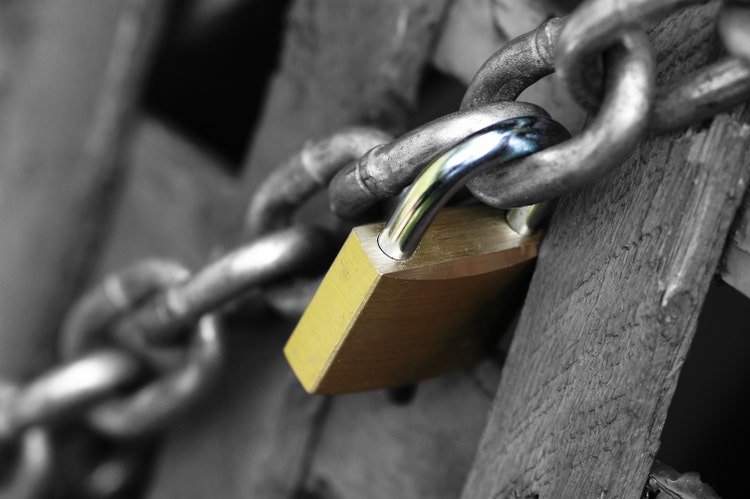
Many people don’t realize just how many people can see what they post. To keep your personal life from infringing on your professional one, you need to increase the privacy on your personal profiles. Here are some ways to do so:
Is online reputation negatively affecting your career? Find out with our free Reputation Report Card.
- Don’t follow, friend, or accept friend requests from students or their parents.
- Turn off tagging or ask your friends to avoid tagging you in pictures.
- Change the privacy settings for who can see your posts to the equivalent of “close friends only.”
- Make your profile invisible in Google searches.
6. Address student concerns both in class and online
Let students know that they can, and should, come see you first if they have any concerns, and be sure to respond to student complaints and concerns as soon as possible. This way, you can address any issues before the student feels compelled to vent their feelings on a teacher review site.
Some creative ways to enable communication are:
- Creating a class website that features a mechanism for anonymous comments or suggestions.
- Establishing a class Facebook group where students can share thoughts and ideas.
- Placing a feedback box somewhere you won’t be able to see who’s using it.
7. Clearly document everything when dealing with difficult situations
If you sense something will be an issue, clearly document everything. For example, if you have a discussion with a parent about a student’s situation, and the parent goes away dissatisfied, send them a detailed review of their discussion over email and ask them to clarify their perspective or any points they may have. This way, you also have something to bring to administrators if the parents resort to slander online.
8. Create content that showcases your knowledge and expertise
One of the best ways to eliminate negative search results is to start producing your own content. This is because Google tends to rank the content you produce higher than the things others write about you. Over time, this new material will slowly gain in ranking and push the offending results down on the search results page, making it much less likely that people will see them or click on them.
Get your free
Reputation Report Card
Some good content creation ideas include:
- Starting a blog
- Publishing articles about your area of educational expertise
- Answering online forum questions about your favorite classroom management strategies or pedagogical methods
- Being interviewed on podcasts
Doing these things can not only create a flood of owned content that will drown out any negative search results, but it can also further establish you as an authority in your field.
9. Monitor review sites
There are several educator review sites, including RateMyTeachers and RateMyProfessors, where students and their parents can publicly evaluate you. Because these sites are often the means for students to “get revenge” on teachers who gave them bad grades, it’s a good idea to closely monitor them for any reviews about you. The sooner you know about a review, the sooner you can take action to mitigate the reputation damage it might cause.
Both sites let you flag for removal posts that violate their site guidelines, but only RateMyTeachers lets you publicly respond to individual reviews. To respond to a review on RateMyProfessors, you can create a professor profile and publish a response there.
To avoid violating the Family Educational Rights and Privacy Act (FERPA) in your response, make sure to limit the conversation to your general classroom policies and avoid naming any individual student or revealing anything about a student’s grades or behavior if you suspect you know the reviewer’s identity.
For more information
Whether you need to repair a damaged online reputation or you want to build a strong defense against possible future reputation attacks, you need to understand how online reputation management works and how to use it to your best advantage. To learn more, see the following articles:
- What is online reputation management?
- How to protect your online reputation
- Online reputation management: Do it yourself or hire a pro?
- The definitive guide to getting embarrassing photos off the internet
- How to remove negative information and news articles from the web
You can also give us a call. We provide free consultations 24/7 to discuss your unique reputation concerns.
Need assistance? Talk to an expert.
All ReputationDefender consultations are free, confidential, and without obligation.
Call 877-492-5209 or Schedule a Consultation